I’m almost done with my studies and have been looking for an internship already and finally it’s my time now to get stalked by recruiters now , it’s something I’ve seen a lot about and finally I’ll be experiencing it . Well According to a study by social media monitoring service Reppler, over 90% of recruiters visit a candidate’s profile on a social network as part of the screening process. A further 69% have rejected a candidate based purely on their social media content. We live in a world where everything you post online – whether that be an angry rant about pet peeves or a picture of a pet pooch – can be (and often is) found online by recruiters and hiring managers.
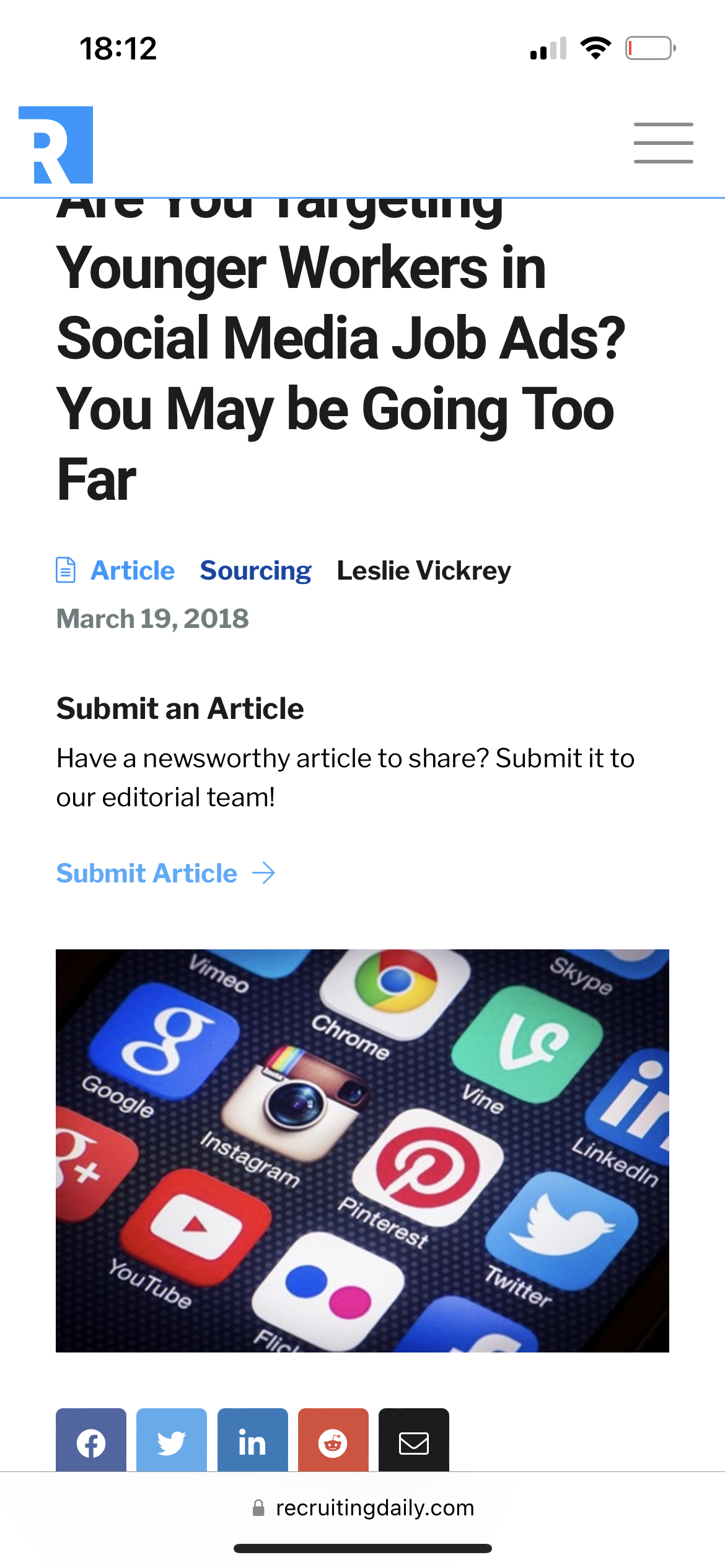
Whats Legit
To clarify before continuing, using LinkedIn to check out a candidate’s professional credentials is perfectly fine – it’s more or less what LinkedIn was built for. Candidates have created those LinkedIn accounts to see and be seen. It’s their platform to showcase their skills and experience, and they’ve put their profile together in full knowledge that it will be assessed by recruiters during the hiring process.
Nope…LinkedIn isn’t the problem. Nor are social accounts which are clearly and unmistakably connected to the candidate’s professional career. Many people working in marketing or sales for example, create specific work Twitter accounts and blogs to advance their careers , the candidates in developer jobs have created their own websites to showcase their range of technical skills.
It’s when recruiters are thirty clicks deep into a candidate’s holiday photos that social media screening becomes an issue.
They’re in
They’re looking, and they’re looking further than you might think. Recent research from Jobvite has found that recruiters don’t just stop at LinkedIn. 66% screen via Facebook, 52% via Twitter , 21% via Google+, 20% via RSS and 15% via Youtube. With platforms such as Instagram, Whatsapp and Snapchat also increasingly being used for recruitment purposes, this list will only continue to expand.
There’s definitely a point when it becomes personal . There’s a huge and identifiable difference between a personal social account and a professional one. Looking at the latter is valuable, as well as being fully anticipated. Dissecting the former is akin to eavesdropping on a candidate’s conversation with their close friends or observing their behaviour on a night out. It’s not relevant to the role in question and it’s also creepy.
Okay let’s talk
It’s natural that you want to find out as much about your candidate as possible. And that’s why you should stop stalking and start talking.
Distinguish between private and professional social media platforms. Stop using social media to stalk candidates and search for their personal information. Seek out information about the specific job instead. Speak to the candidate, ask behavioural interview questions and get digging deeper. You can only find out the candidate’s suitability for the role by having those all-important conversations, not by clicking through their selfies.
Hey, your candidate might turn out to be a raging lunatic. But at least find that out directly rather than through guesswork from their personal social media updates.
Hey all I’m ready to get Stalked . Are you ??
 Win it back 101